.png)
I’m new to PostureIQ
I don’t have an active subscription and haven’t completed my Posture Screen.
I’m a PostureIQ subscriber
I have an active PostureIQ subscription
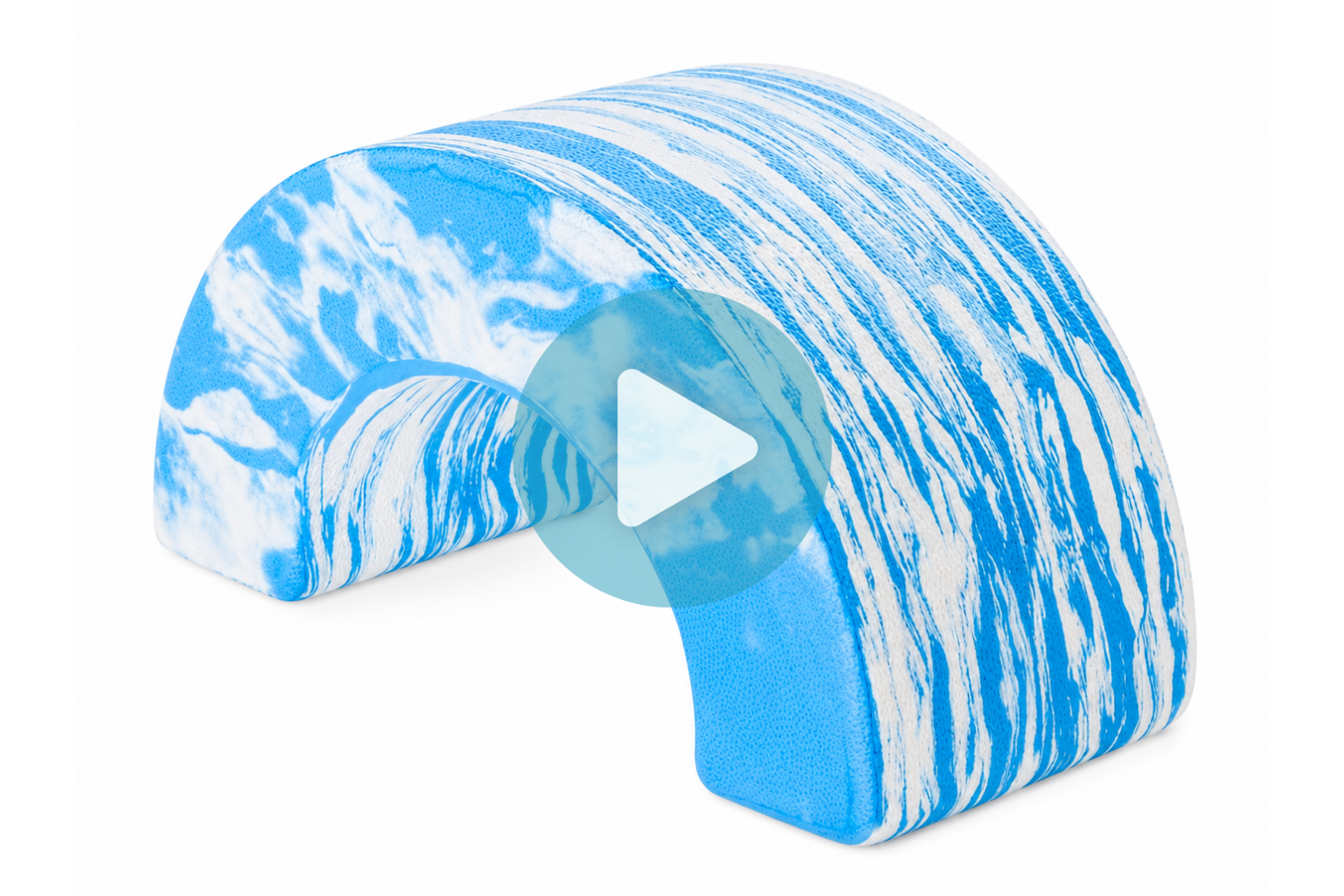
The pro-roller arch allows you to perform exercises on your back and support your skull in its neutral position on C1. You should never lay on your back and do exercises without something under your skull (not your neck) to offset the curve of your upper thoracic spine.
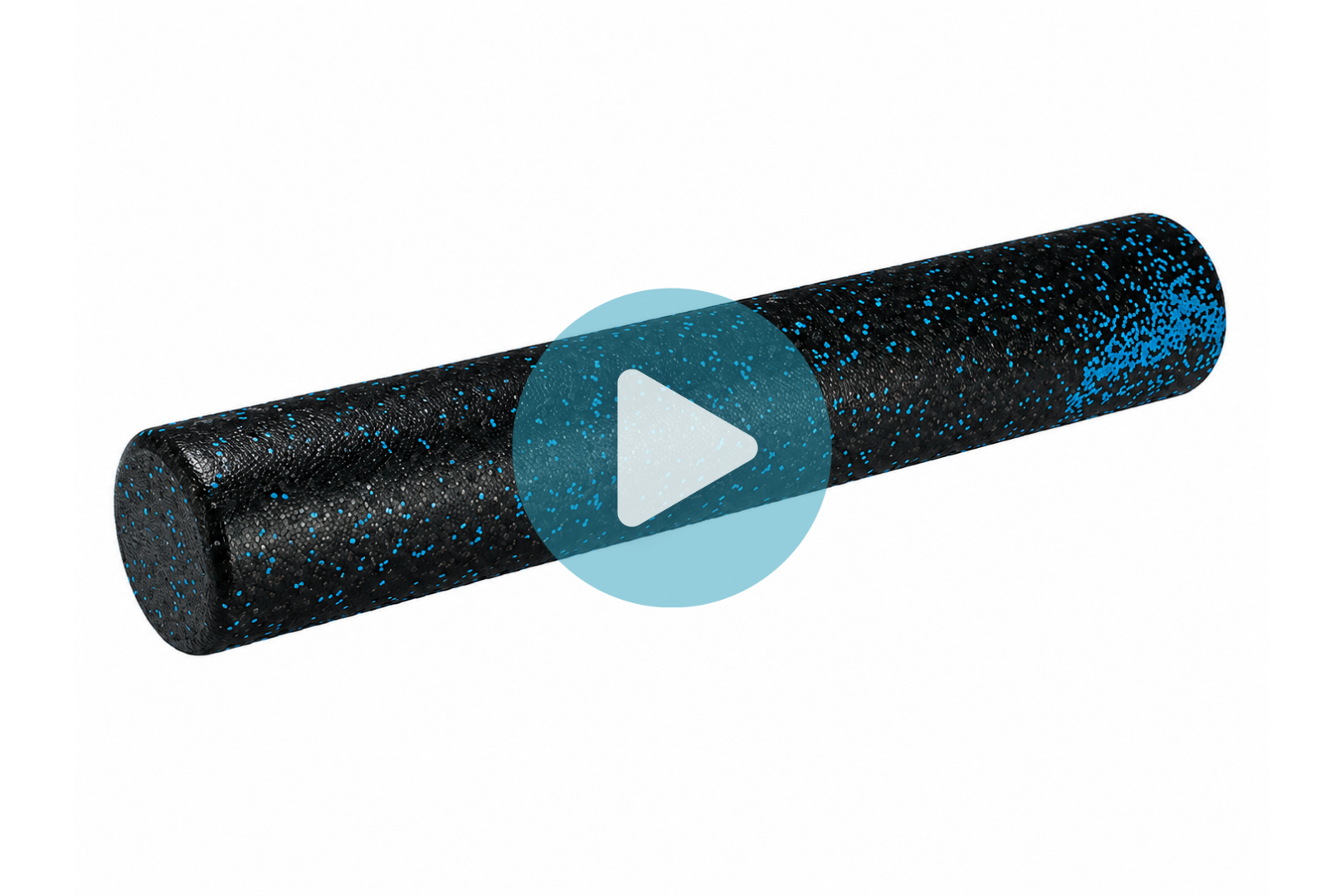
The 6"x36" foam roller is a key fitness prop used throughout the HPS to improve your mobility into upper thoracic spine mobility. It is also recommended as a prop to promote upright sitting posture. Most clients purchase 2!
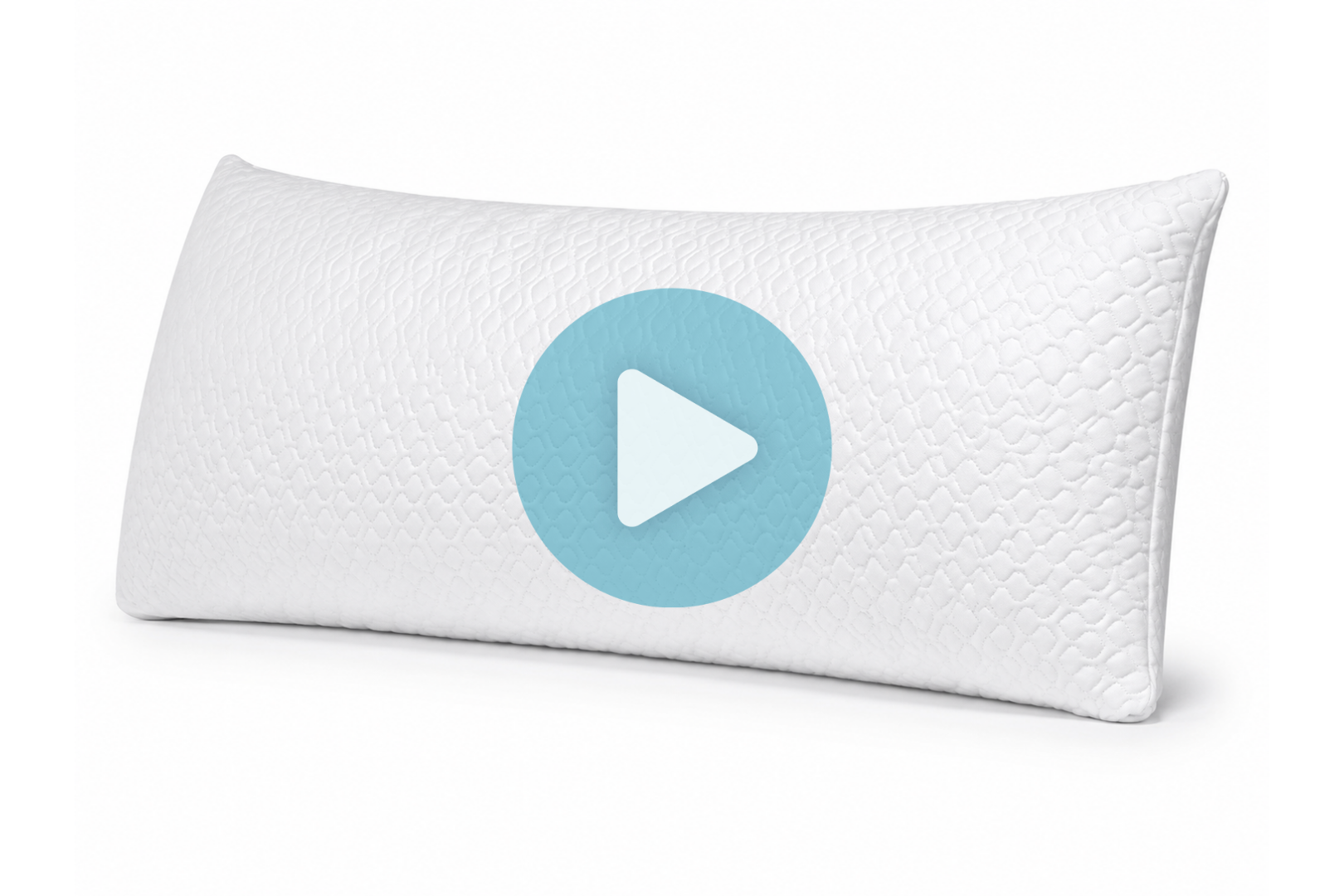
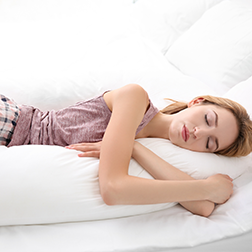
A body pillow is recommended for healthy sleeping and to support the elbows in front of the rib cage during times of relaxation.
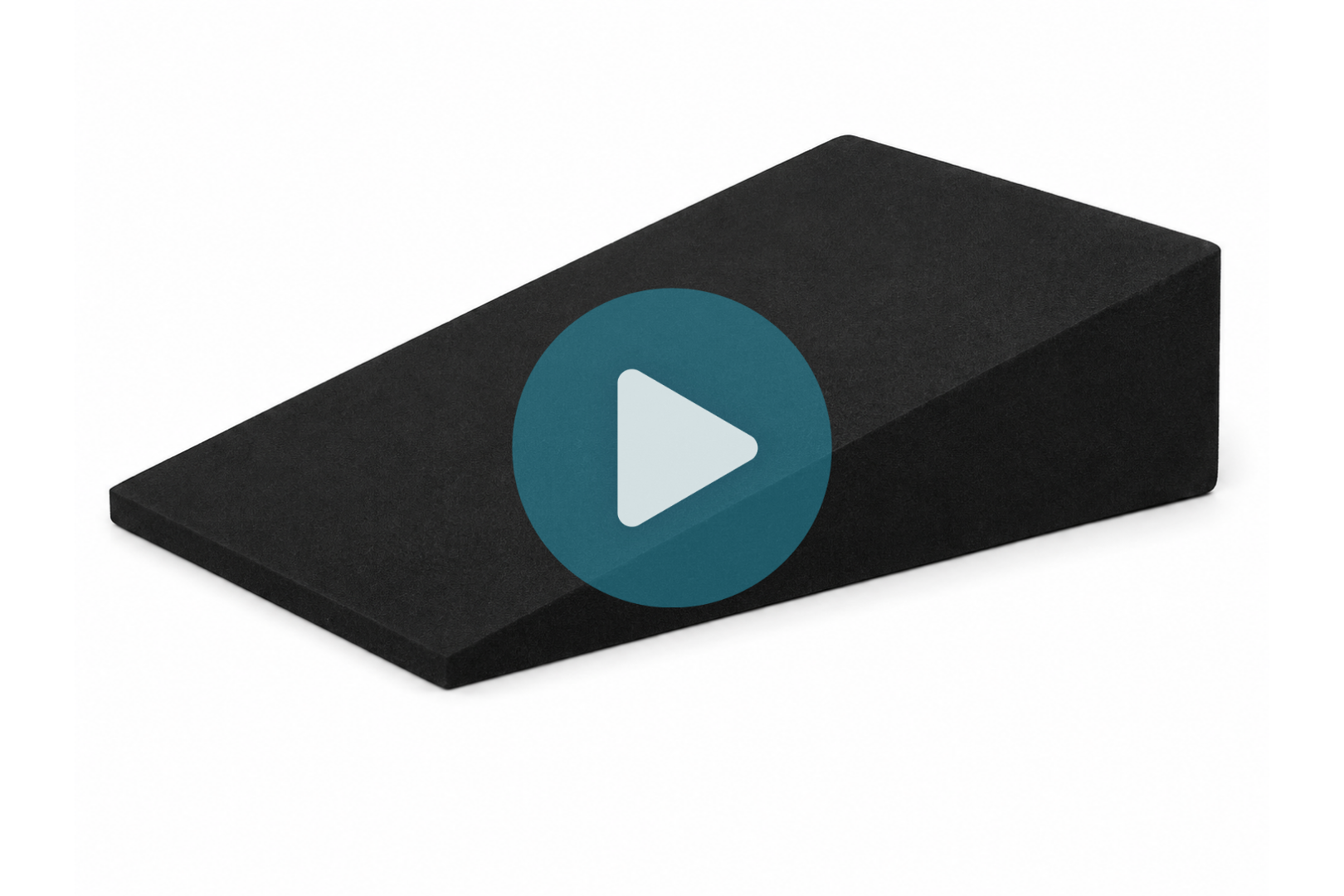
A chair wedge helps you hinge forward onto your sit bones. We recommend one in each chair you sit in for more than 90 minutes at a time. They also promote healthier sitting in a car.
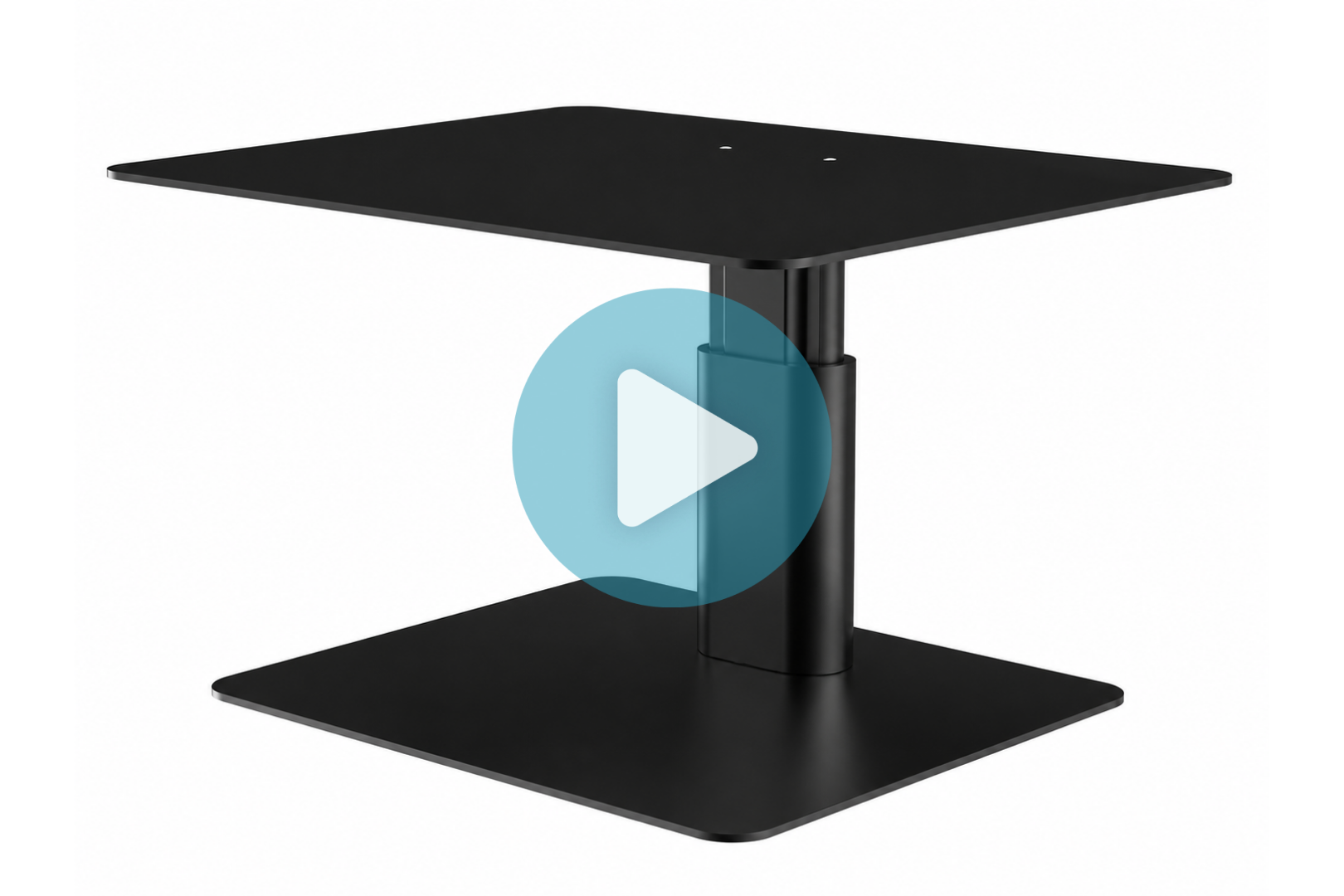
Prescribed at week 3 of the program for those that do not have a solution for elevating their monitors to accommodate their improved upright sitting posture.
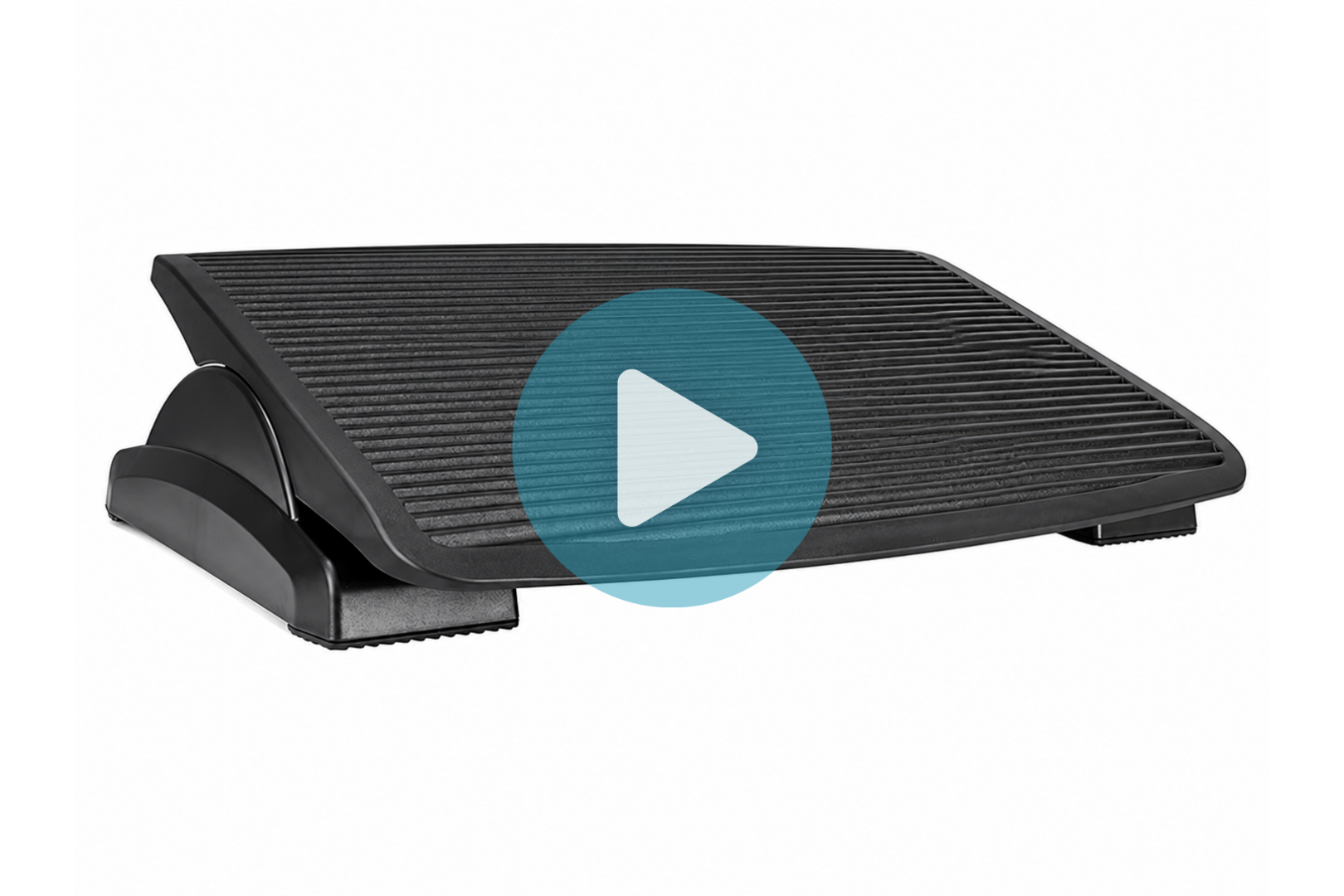
Prescribed for those who cannot put equal weight through their feet when sitting upright without back support.
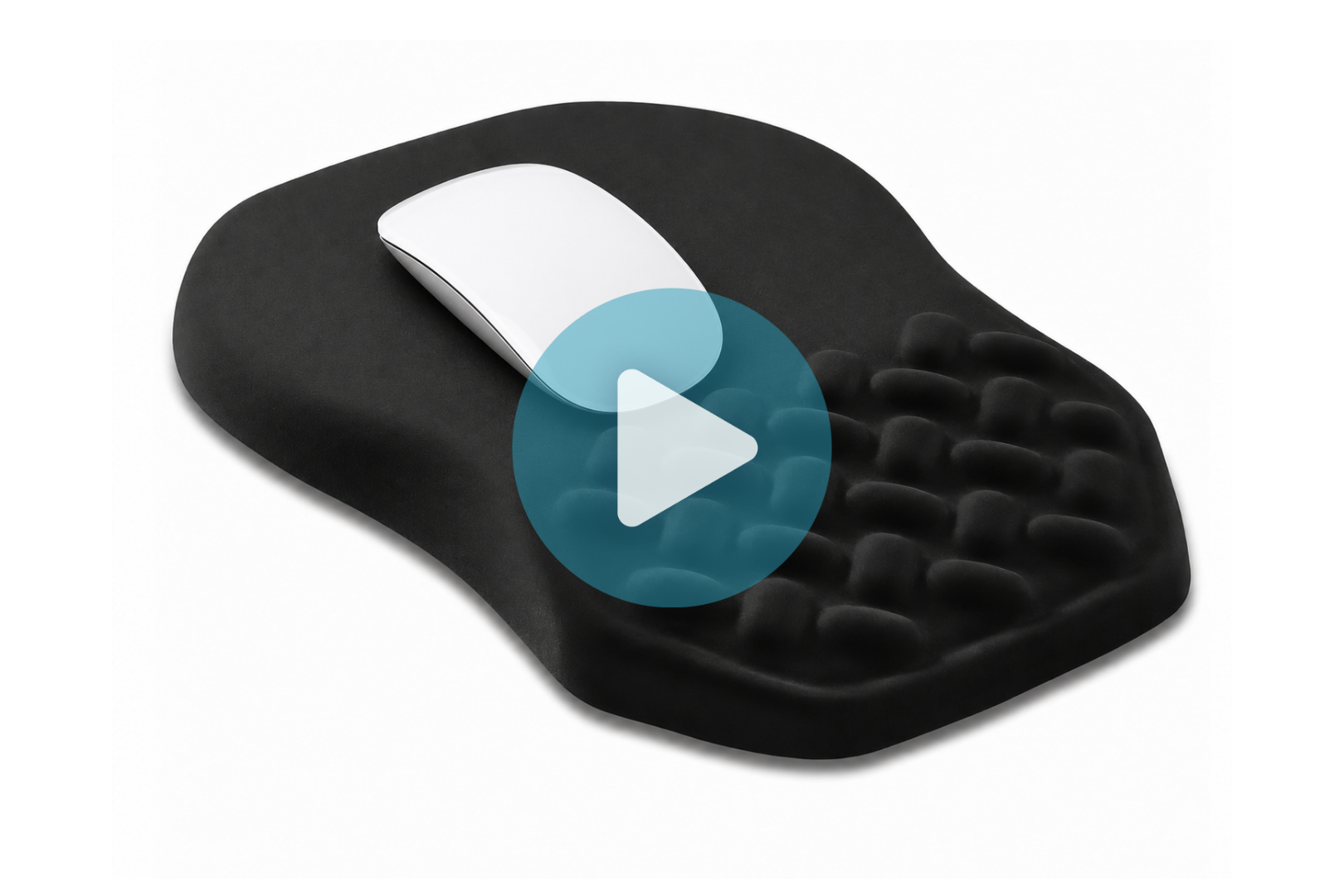
Prescribed for those who do not have a forearm support to promote neutral wrist position during typing. Recommended for those that spend 4+ hours a day on the computer.
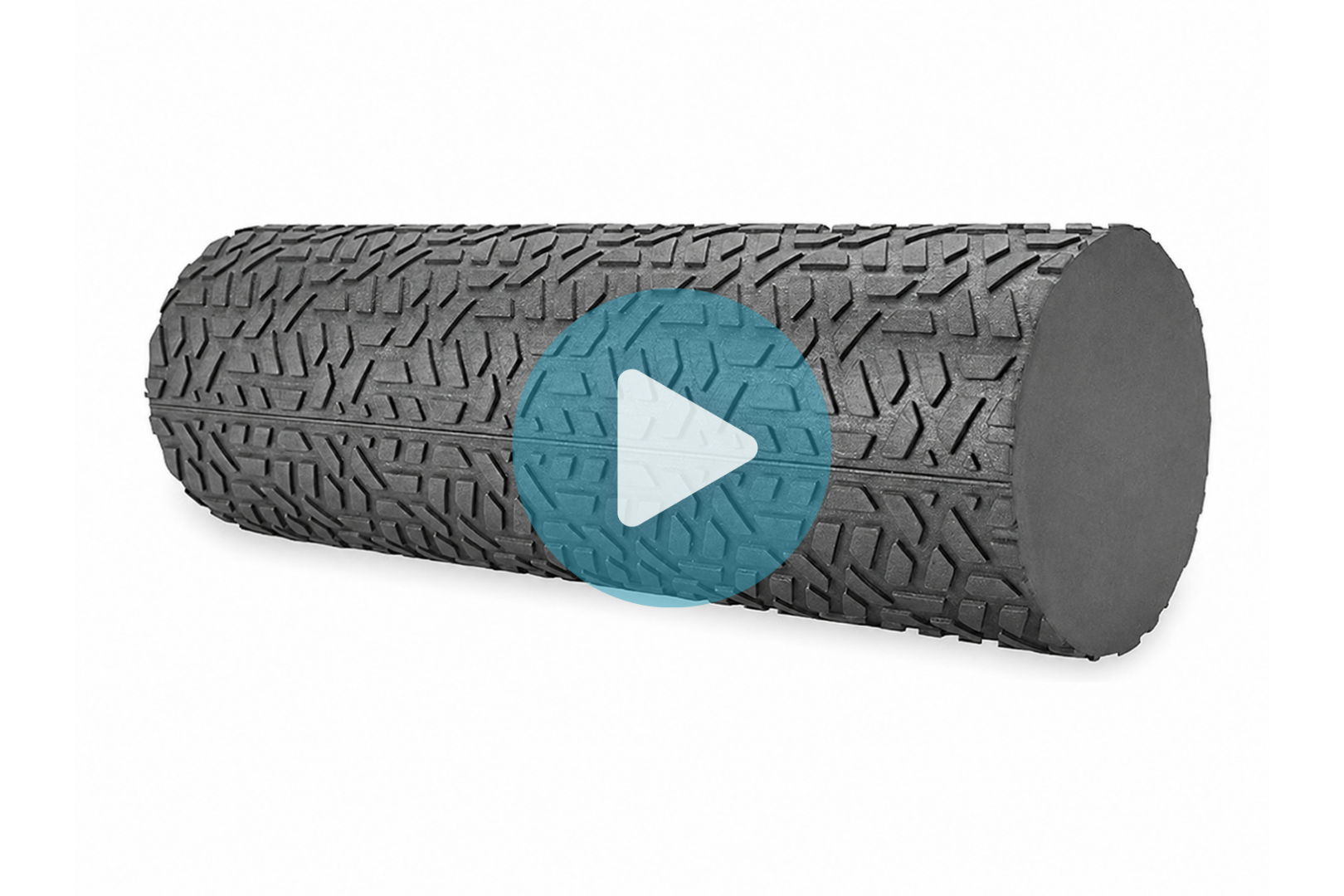
Prescribed for those who have neck and shoulder pain. This is a safer foam roller solution for performing the Head Nod stretch at level 4! It is also used during the Neutral Spine Conditioning Phase within the Joint Clearing Routine video library series.
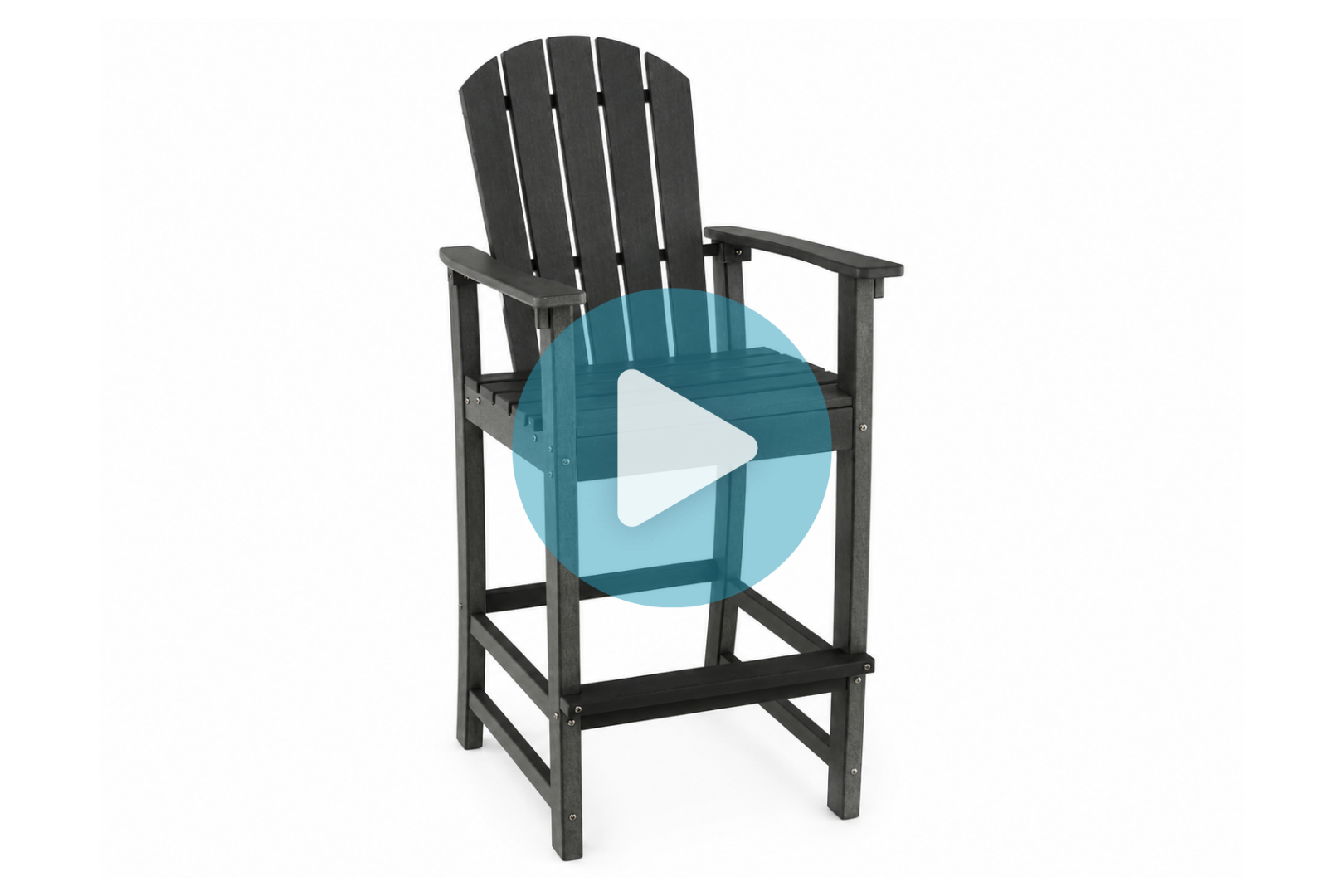
Prescribed for those that are not spending 50% of their day upright against gravity either sitting or standing/walking. This stool allows for a safe conditioning environment to condition your nervous system and musculoskeletal system for upright sitting. It also allows you to do our mobility exercises!
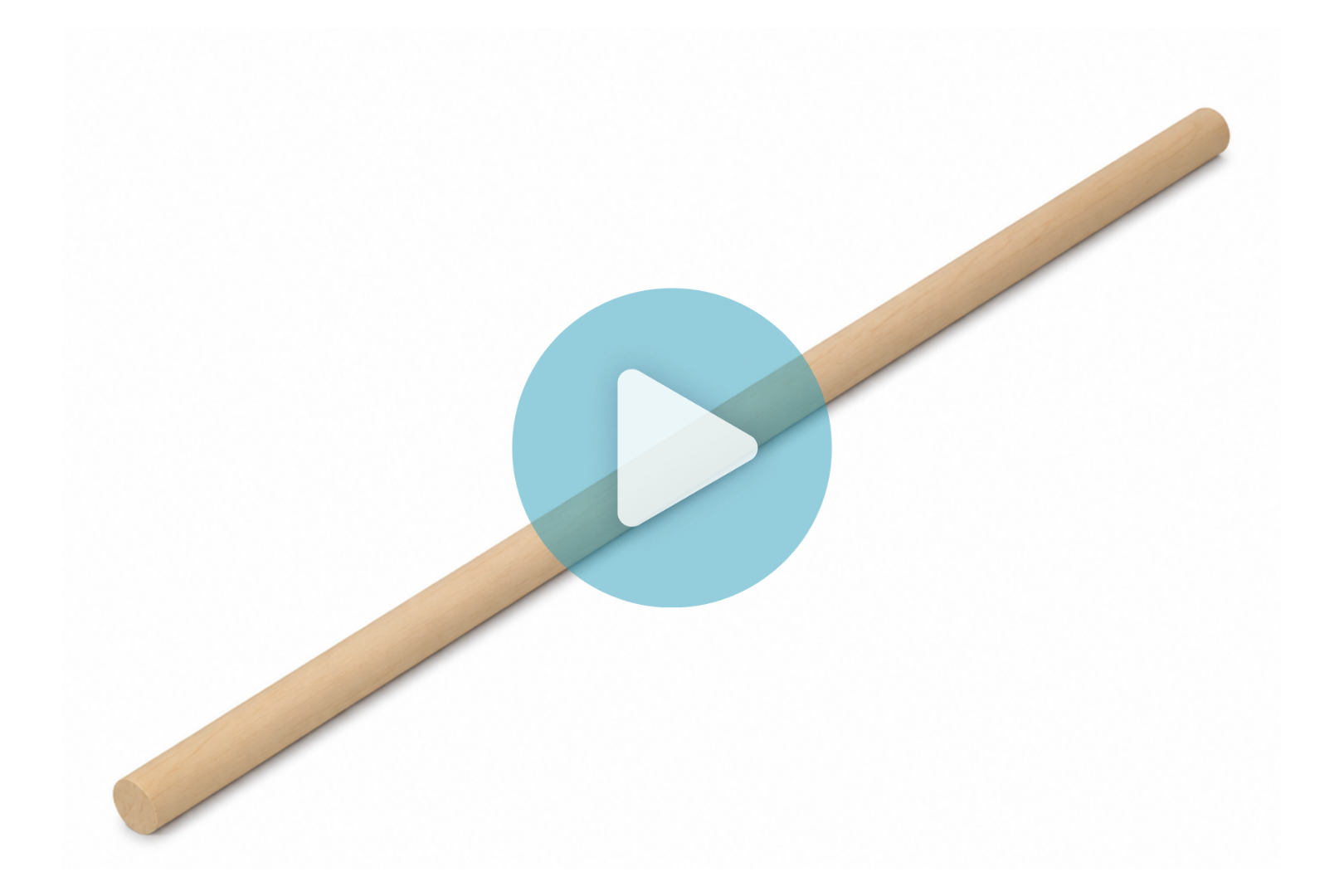
A dowel stick ensures you keep chest lift and head nod posture as we start teaching you how to perform planks and kettlebell presses. The recommended dowel length is 2 inches longer than the distance from your tailbone to the top of your skull when standing in neutral spine alignment, and a diameter no thicker than your index finger.
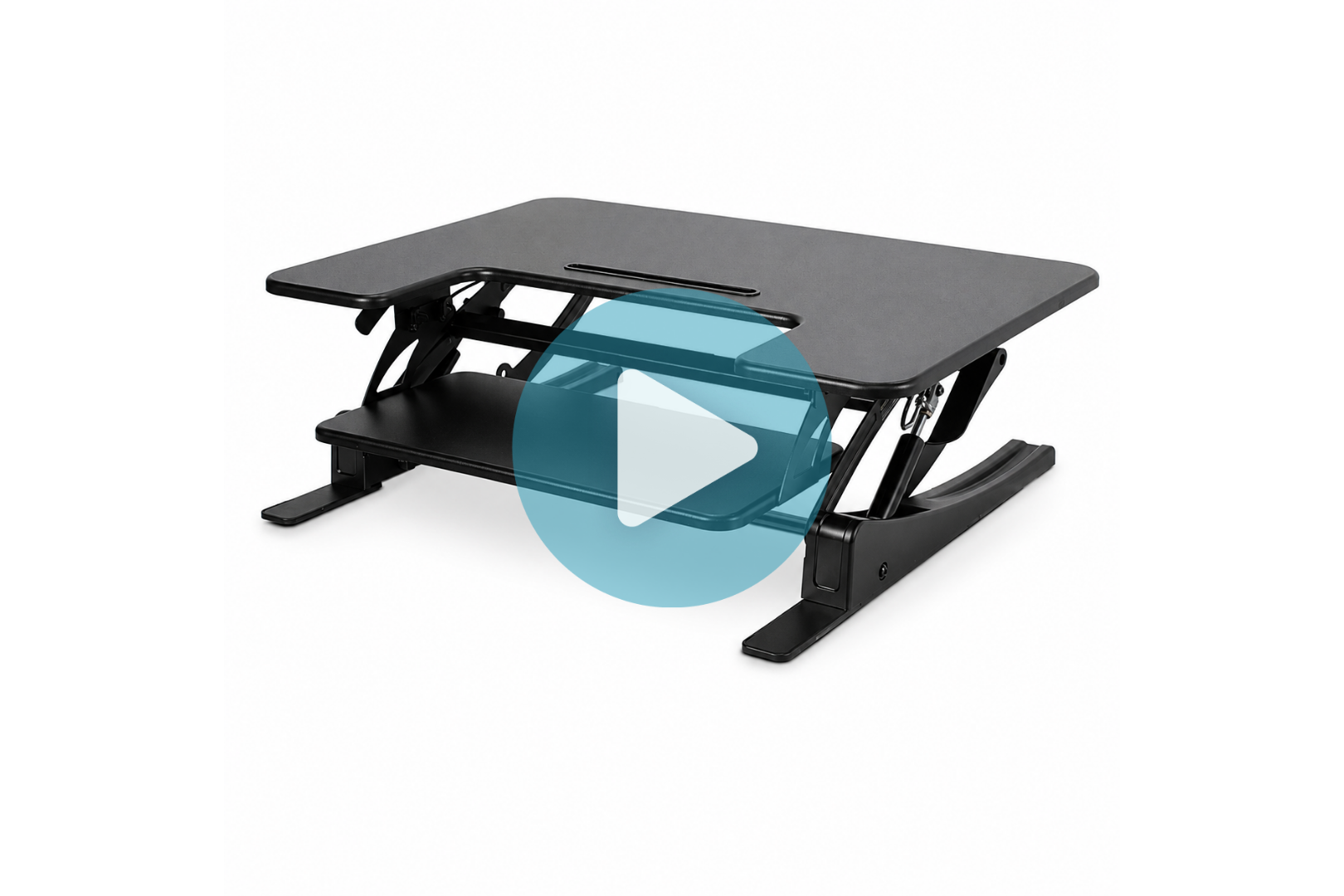
At level 5 of the Healthy Posture System you should now be sitting without back support in neutral spine alignment for a majority of any sitting tasks. This requires an elevation of your monitor 4" to 6". The general rule is your monitor should be a few inches above eye level when sitting in healthy sitting posture. This forces you to keep your chest lift position.
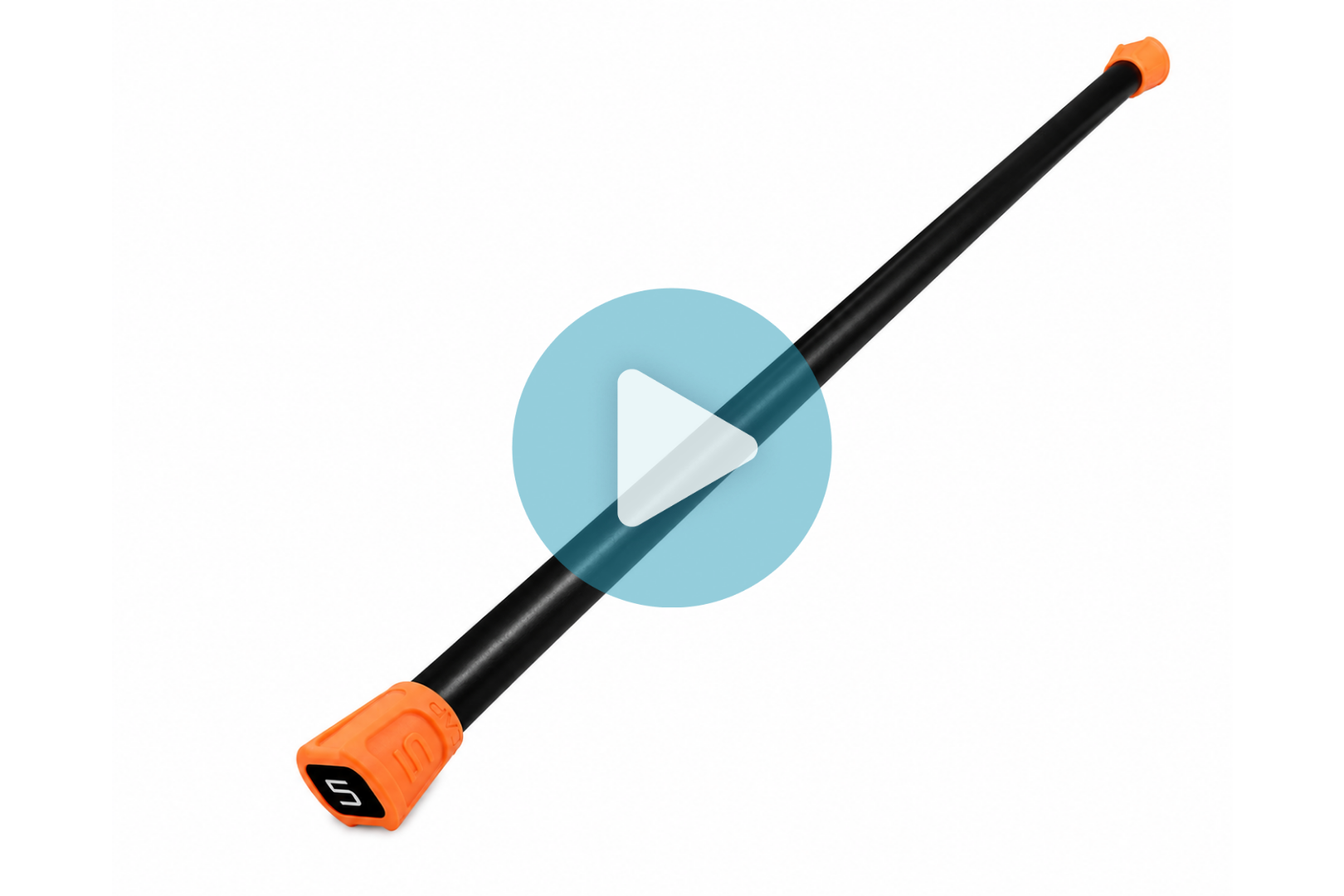
Cap bars allow you to slide kettlebells over them so that you only need to purchase 1 exercise bar.
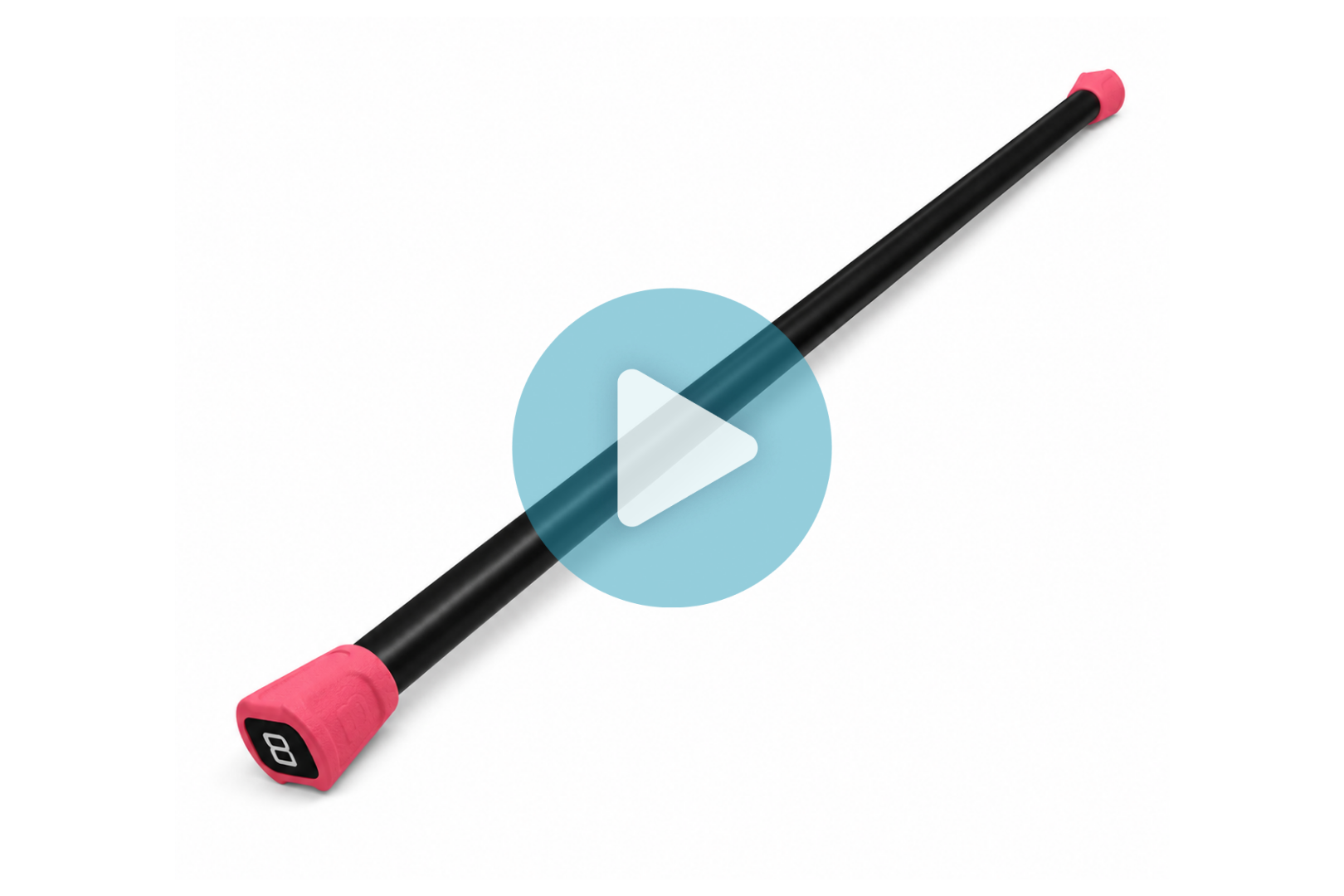
Cap bars allow you to slide kettlebells over them so that you only need to purchase 1 exercise bar.
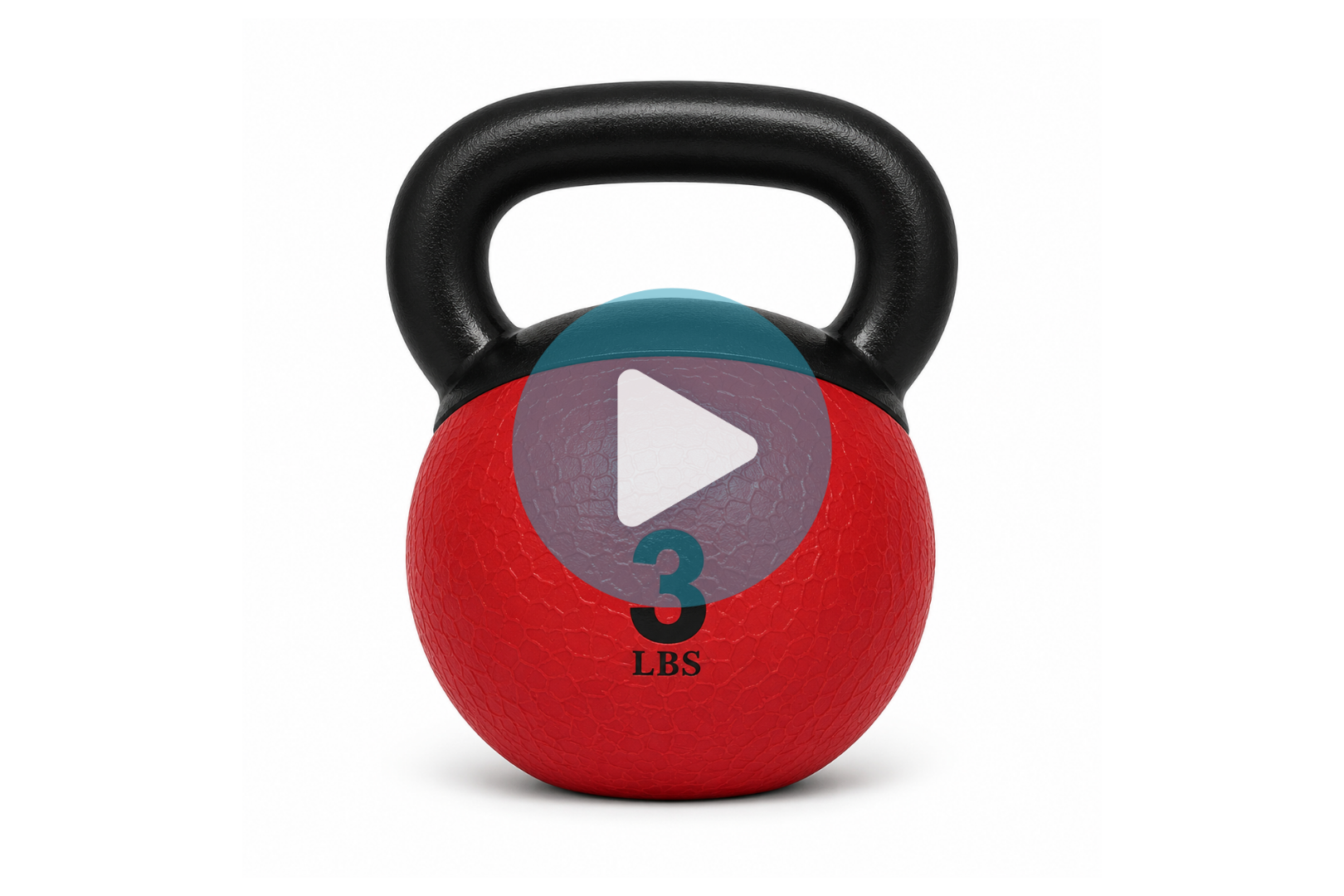
Kettlebells are our resistance of choice because they add a momentum component that requires you to maintain a neutral spine during lifting exercises. We recommend the 3 lb kettlebell as a lighter starting resistance while you learn proper lifting technique and build control.
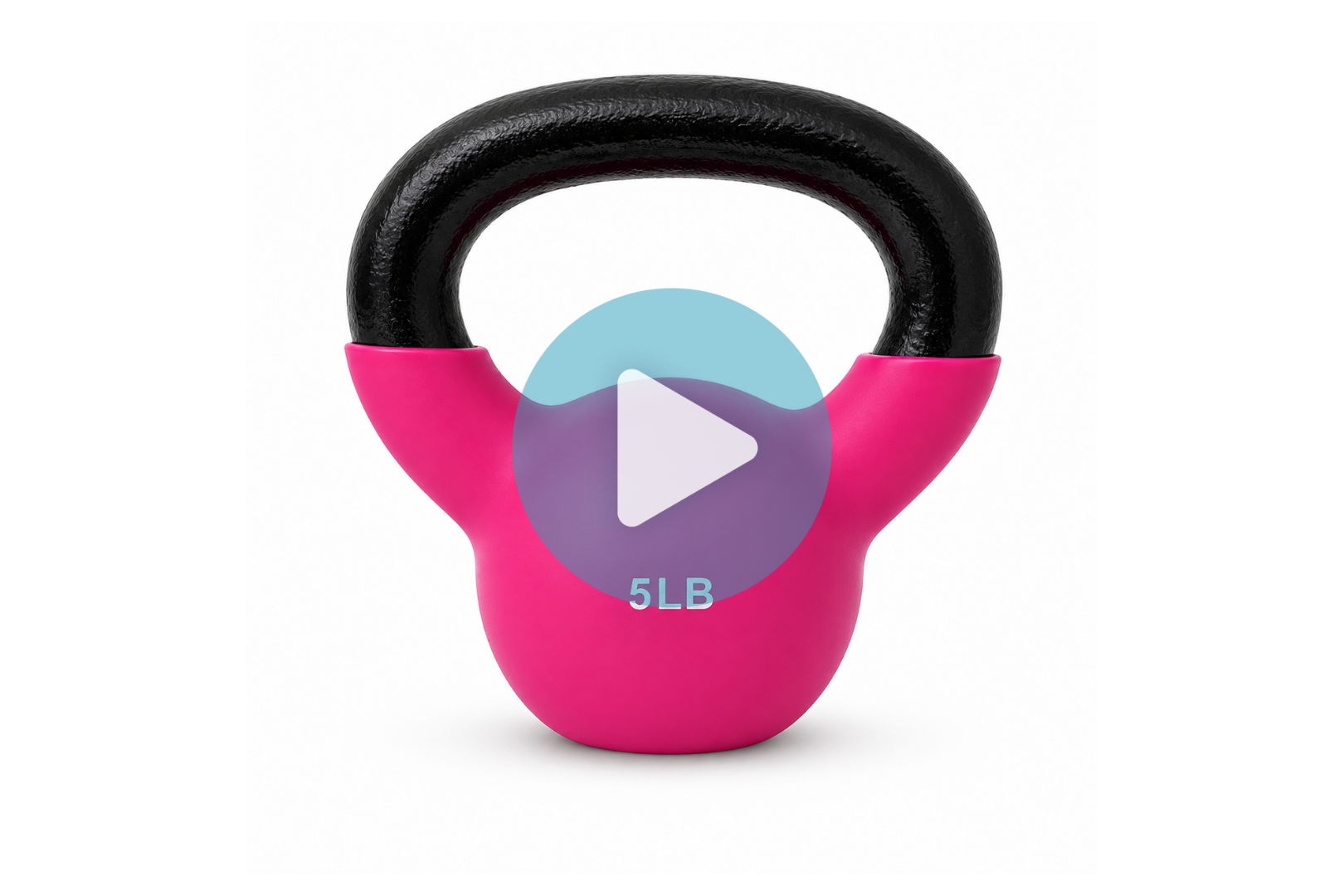
Kettlebells are our resistance of choice because they add a momentum component that requires you to maintain a neutral spine during lifting exercises. We recommend the 5 lb kettlebell as the next level of resistance as your strength and control improve, increasing the challenge while maintaining proper lifting technique and neutral spine.
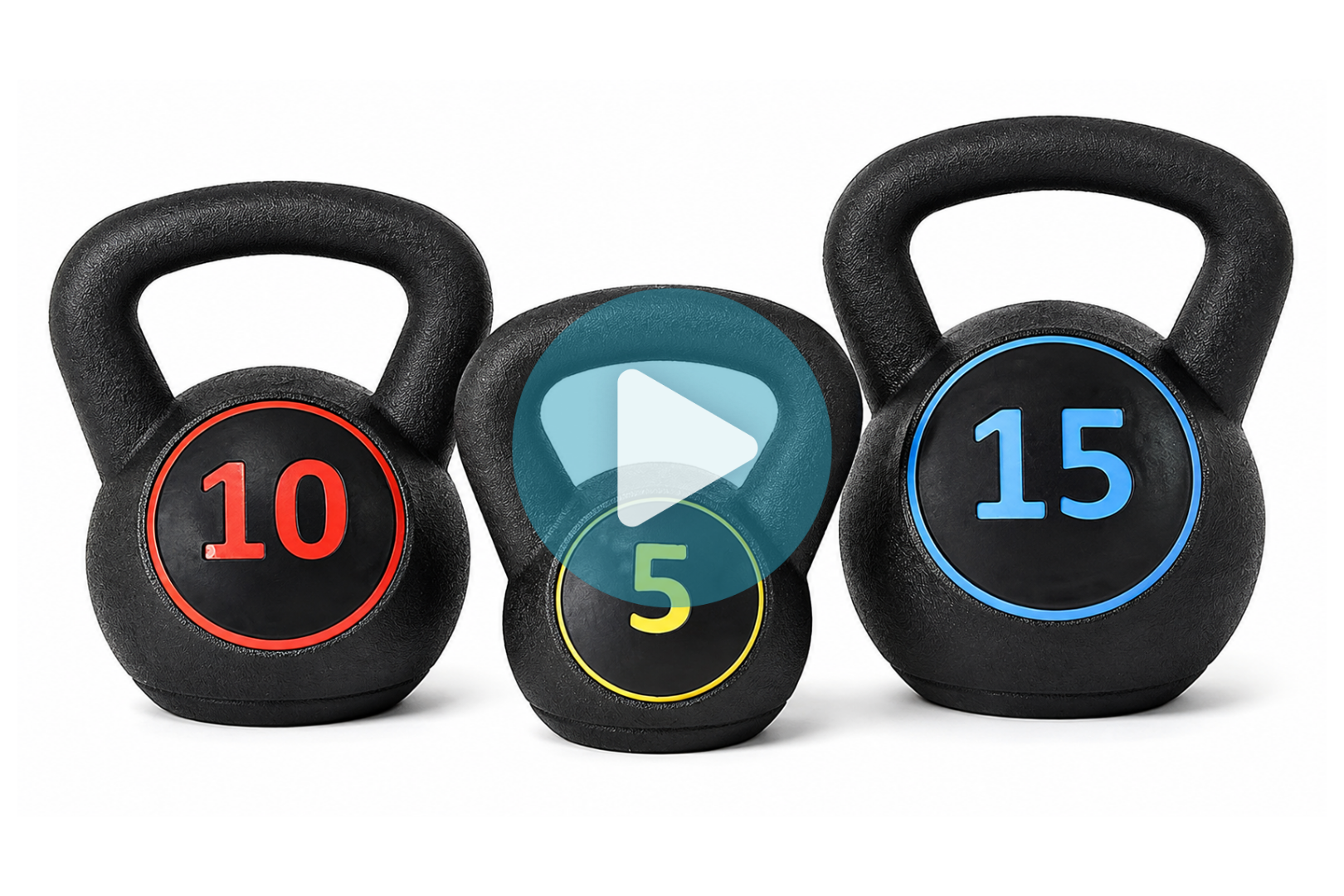
Kettlebells are our resistance of choice because they add a momentum component that requires you to maintain a neutral spine during lifting exercises. We recommend getting the 5 lb, 10 lb, and 15 lb set so you can start with a lighter resistance while learning proper technique, then gradually progress to heavier weights as your strength, control, and ability to maintain neutral spine improve. We DO NOT recommend the stackable set.
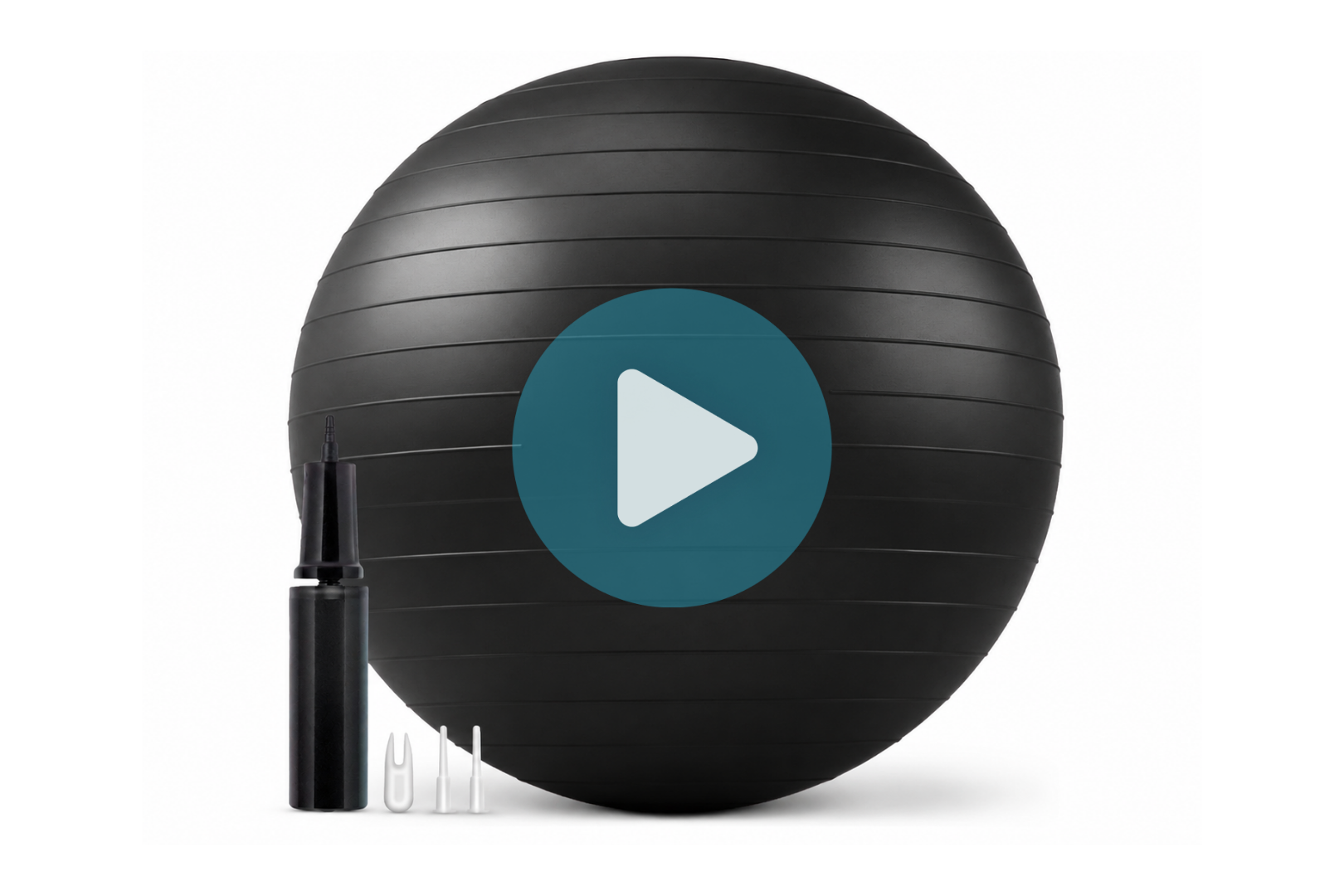
We prescribe a 45 cm physioball for those with knee and/or hip stability deficits, or for those completing a post-surgical or post-procedure rehabilitation program. The appropriate ball size helps provide a stable and comfortable setup for the prescribed exercises.
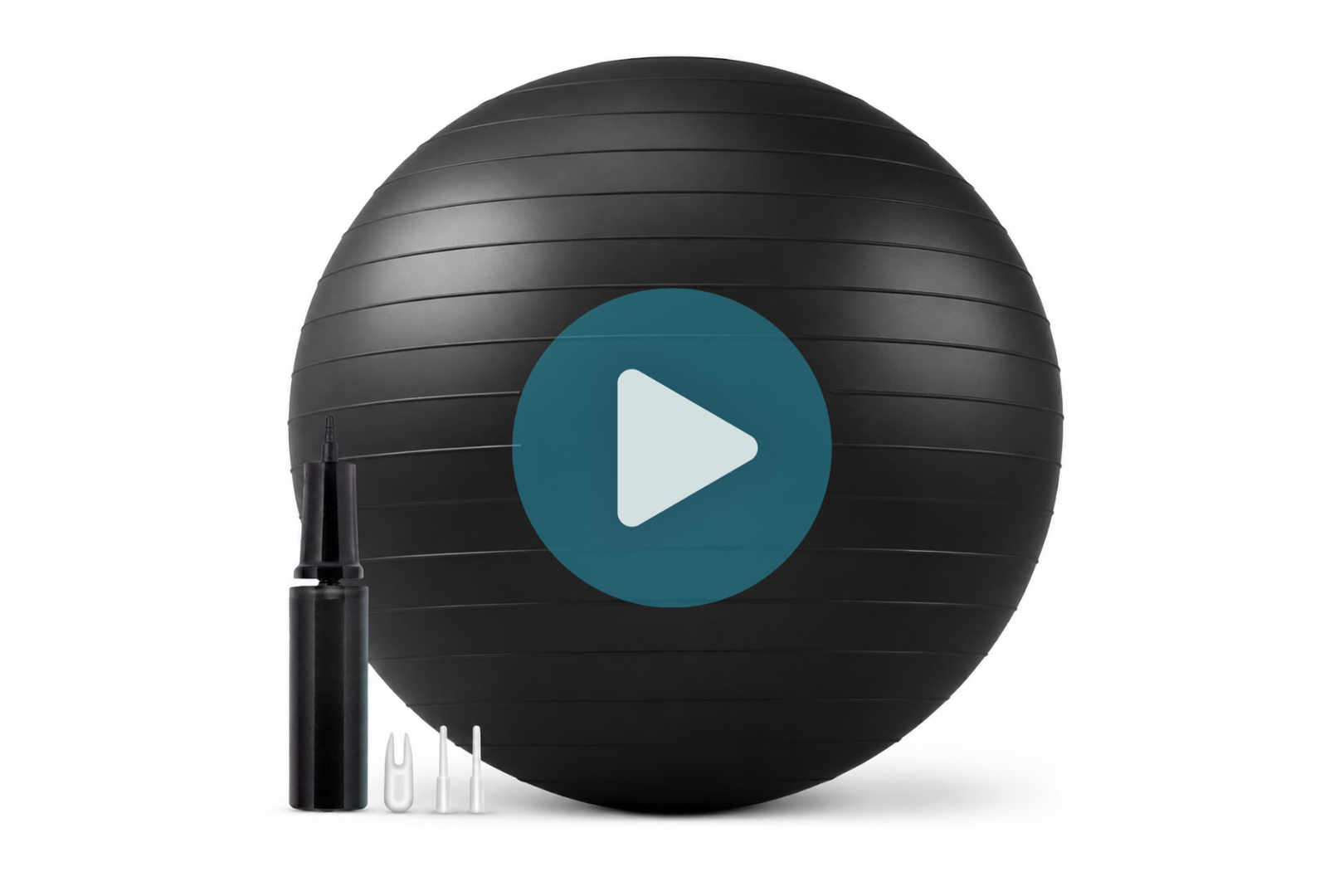
We prescribe a 55 cm physioball for those with knee and/or hip stability deficits, or for those completing a post-surgical or post-procedure rehabilitation program. The appropriate ball size helps provide a stable and comfortable setup for the prescribed exercises.
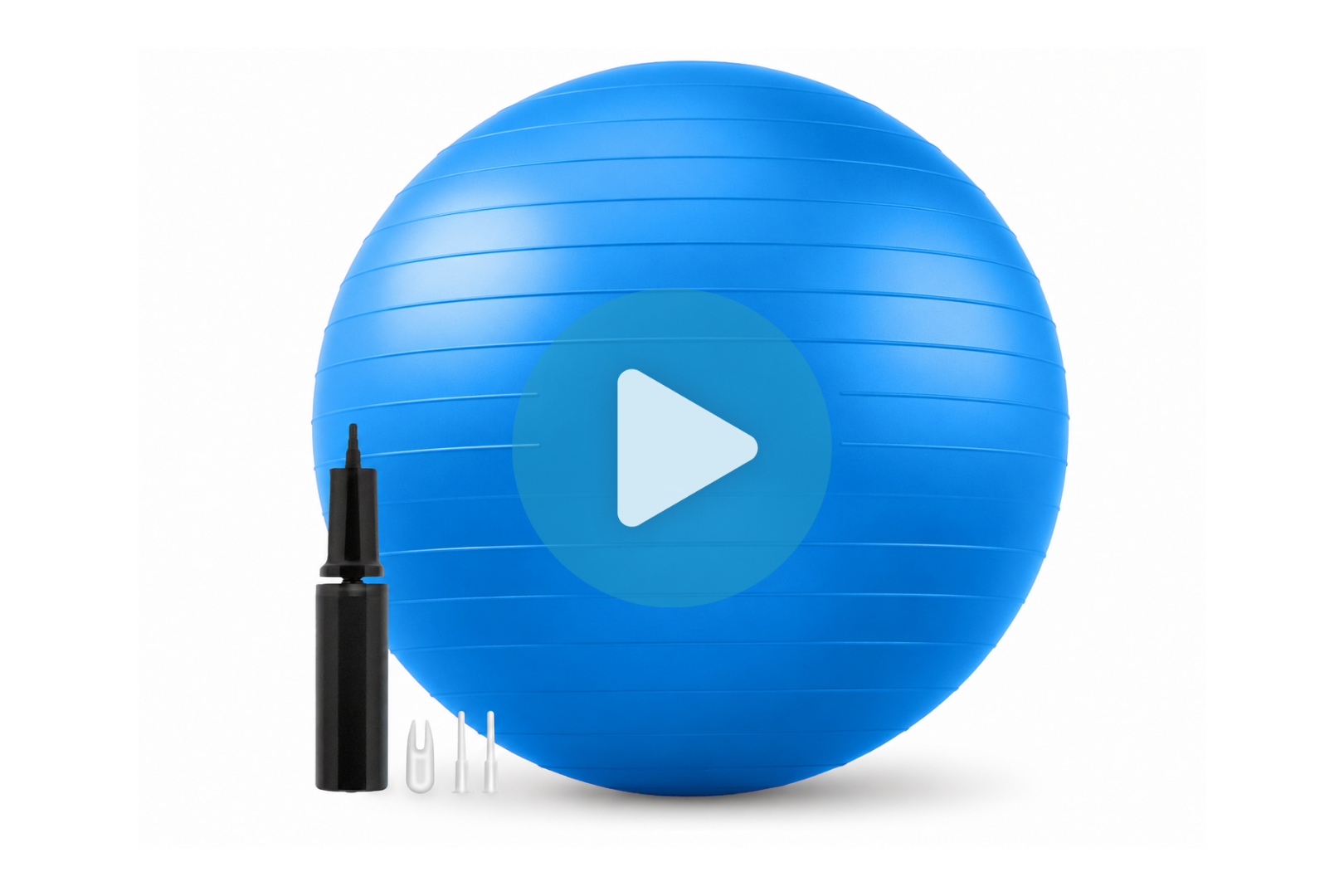
We prescribe a 65 cm physioball for those with knee and/or hip stability deficits, or for those completing a post-surgical or post-procedure rehabilitation program. The appropriate ball size helps provide a stable and comfortable setup for the prescribed exercises.
.png)
We prescribe the 15" magic circle for those with shoulder instability or a history of superior subluxation of the first rib. It is used as part of the shoulder program to help support stability and control during prescribed exercises.
.png)
We prescribe the 12" magic circle for those with hip stability issues. Its smaller size is better suited for the hip and knee program and allows for more appropriate positioning during prescribed exercises.
.png)
We prescribe an adjustable stool to help condition you to sit upright without back support by decreasing your hip angle. While a typical chair places your hips at approximately 75–90 degrees, the goal during this phase of care is to position the hips closer to 45–60 degrees, increasing your base and surface area of support as you build tolerance for prolonged upright sitting and standing.
.png)
We prescribe an adjustable stool to help condition you to sit upright without back support by decreasing your hip angle. While a typical chair places your hips at approximately 75–90 degrees, the goal during this phase of care is to position the hips closer to 45–60 degrees, increasing your base and surface area of support as you build tolerance for prolonged upright sitting and standing.
.png)
We prescribe an adjustable stool to help condition you to sit upright without back support by decreasing your hip angle. While a typical chair places your hips at approximately 75–90 degrees, the goal during this phase of care is to position the hips closer to 45–60 degrees, increasing your base and surface area of support as you build tolerance for prolonged upright sitting and standing.
.png)
We prescribe an adjustable stool to help condition you to sit upright without back support by decreasing your hip angle. While a typical chair places your hips at approximately 75–90 degrees, the goal during this phase of care is to position the hips closer to 45–60 degrees, increasing your base and surface area of support as you build tolerance for prolonged upright sitting and standing.
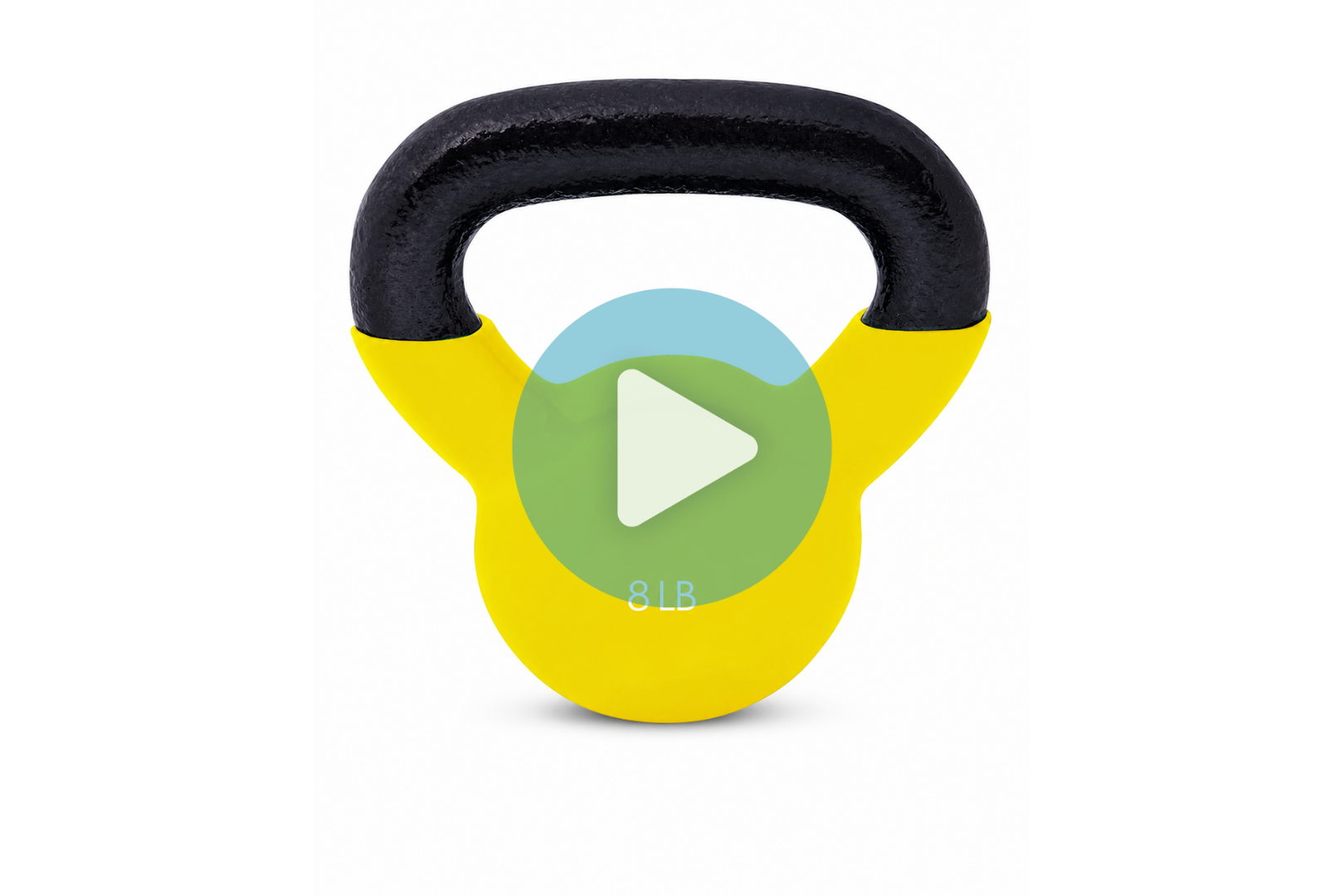
We recommend the 8 lb kettlebell as a starting resistance during this higher level of conditioning. It allows you to continue building strength and control as you progress toward more demanding exercises. We DO NOT recommend stackable kettlebells.
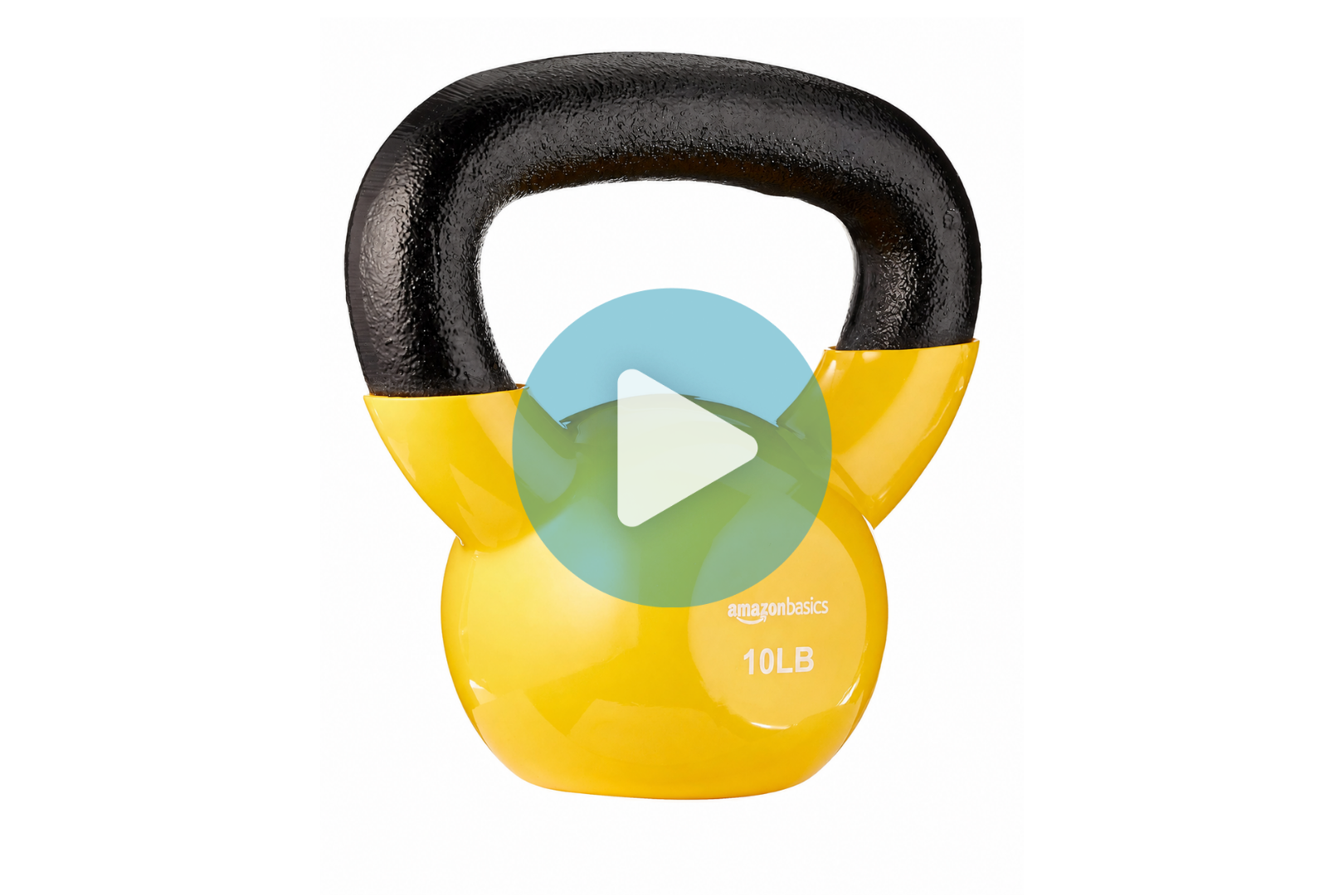
We recommend the 10 lb kettlebell as your strength and control improve and you are ready for greater resistance. Progressively increasing the load helps you continue advancing your fitness-level conditioning. We DO NOT recommend stackable kettlebells.
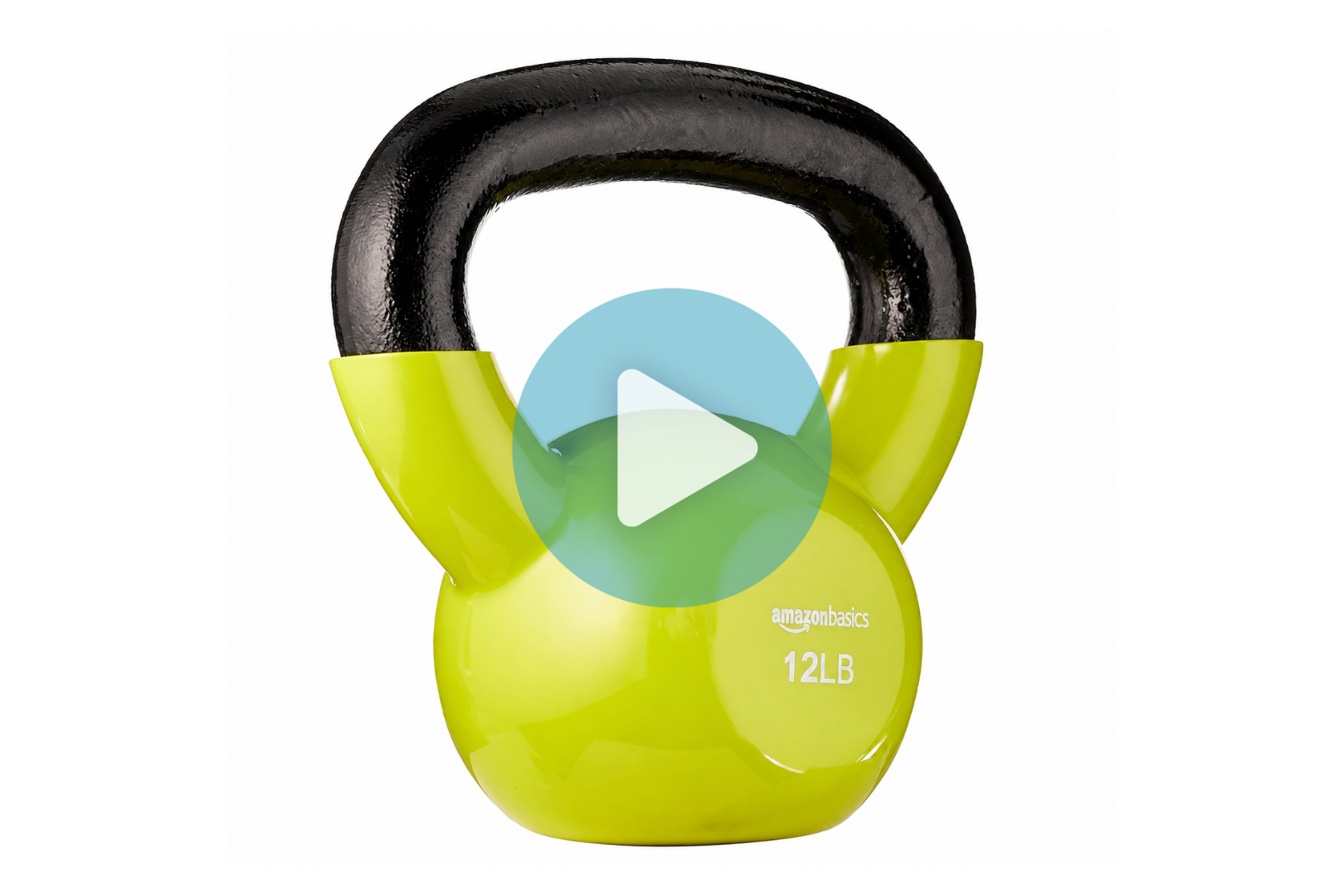
We recommend the 12 lb kettlebell for further progression once you can maintain proper form and control with lighter resistance. Many clients at this level return to the gym, but this option allows you to continue progressing your strength conditioning at home. We DO NOT recommend stackable kettlebells.
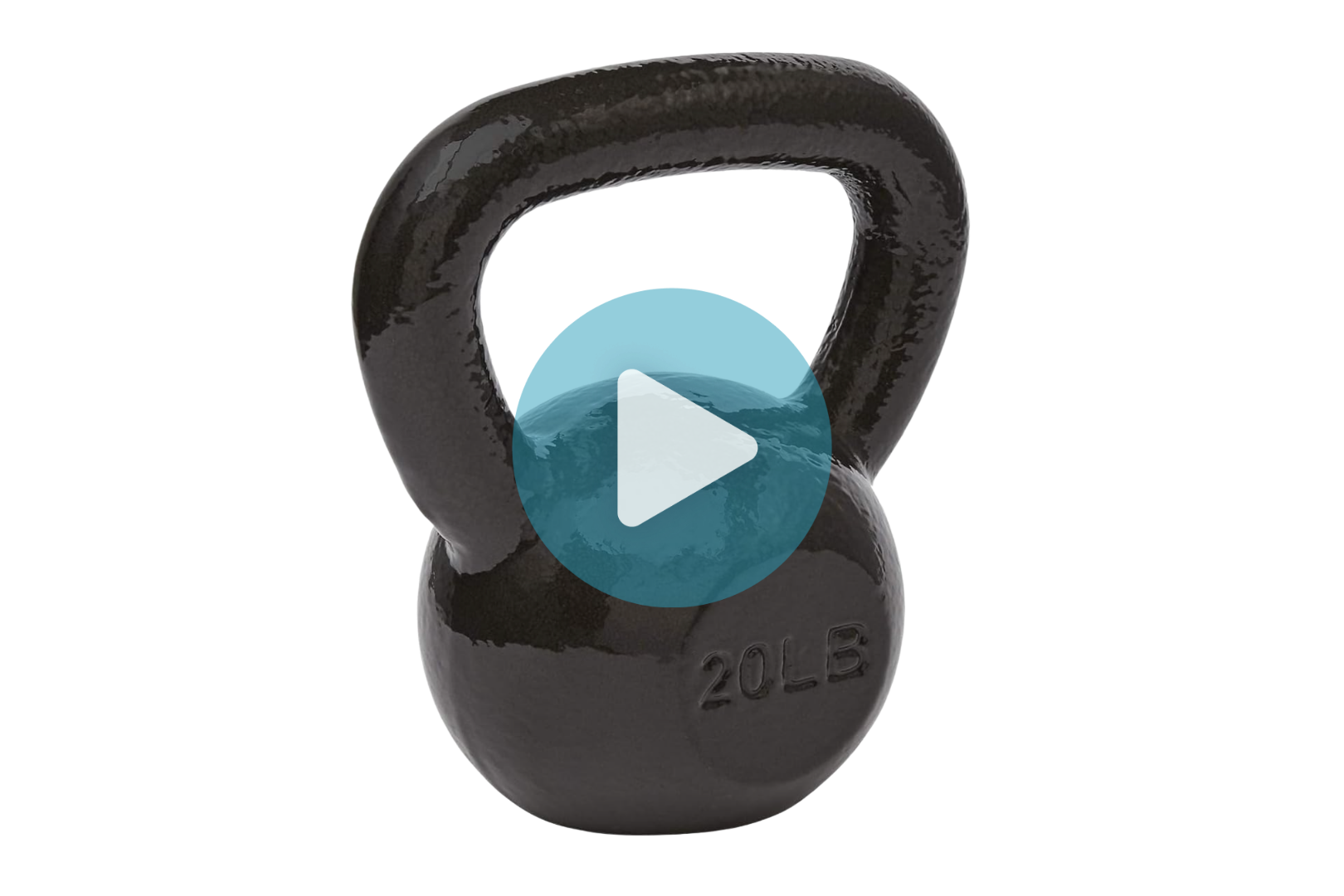
We recommend the 20 lb kettlebell as a starting resistance during this higher level of conditioning. It allows you to continue building strength and control as you progress toward more demanding exercises. We DO NOT recommend stackable kettlebells.
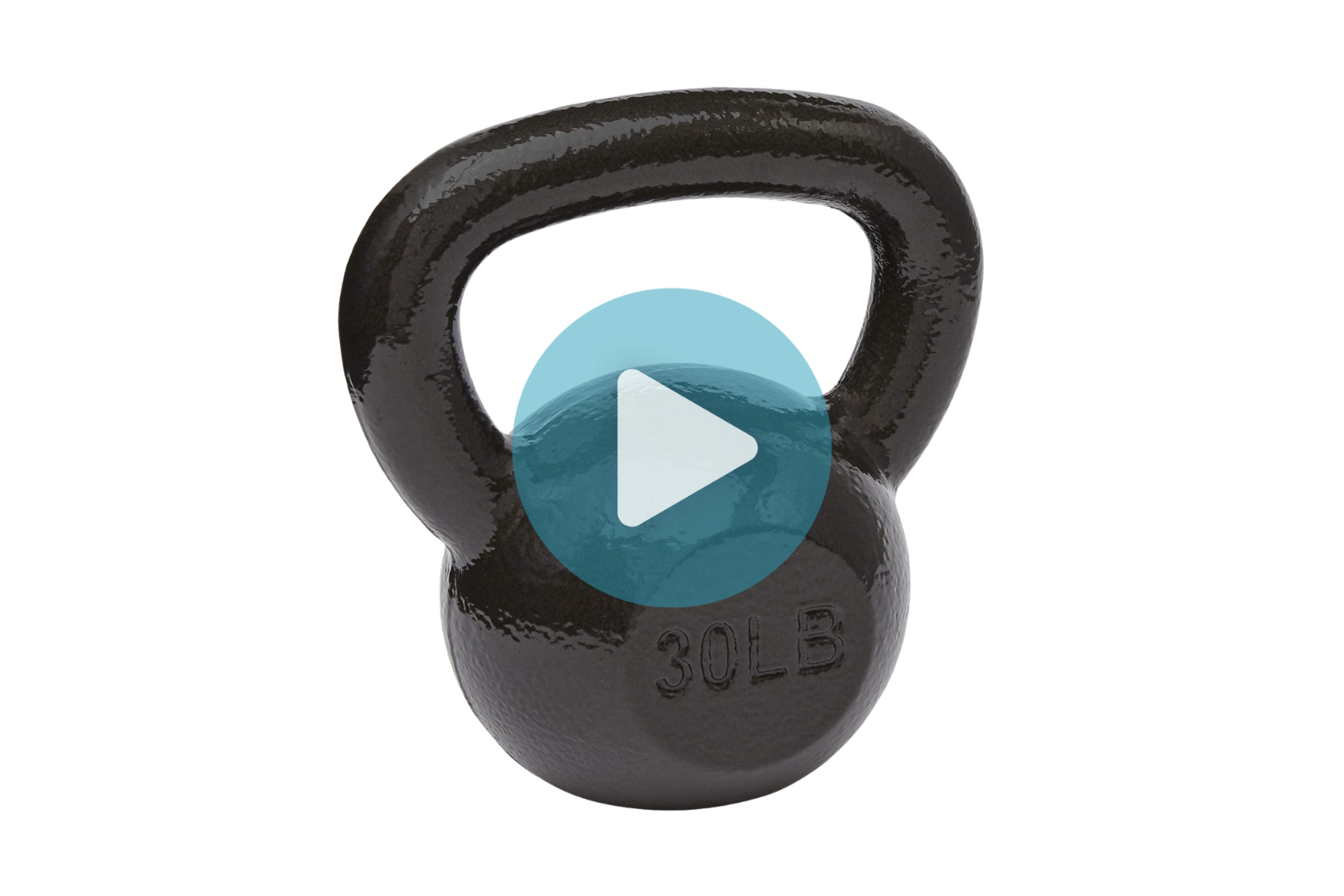
We recommend the 30 lb kettlebell as your strength and control improve and you are ready for greater resistance. Progressively increasing the load helps you continue advancing your fitness-level conditioning. We DO NOT recommend stackable kettlebells.
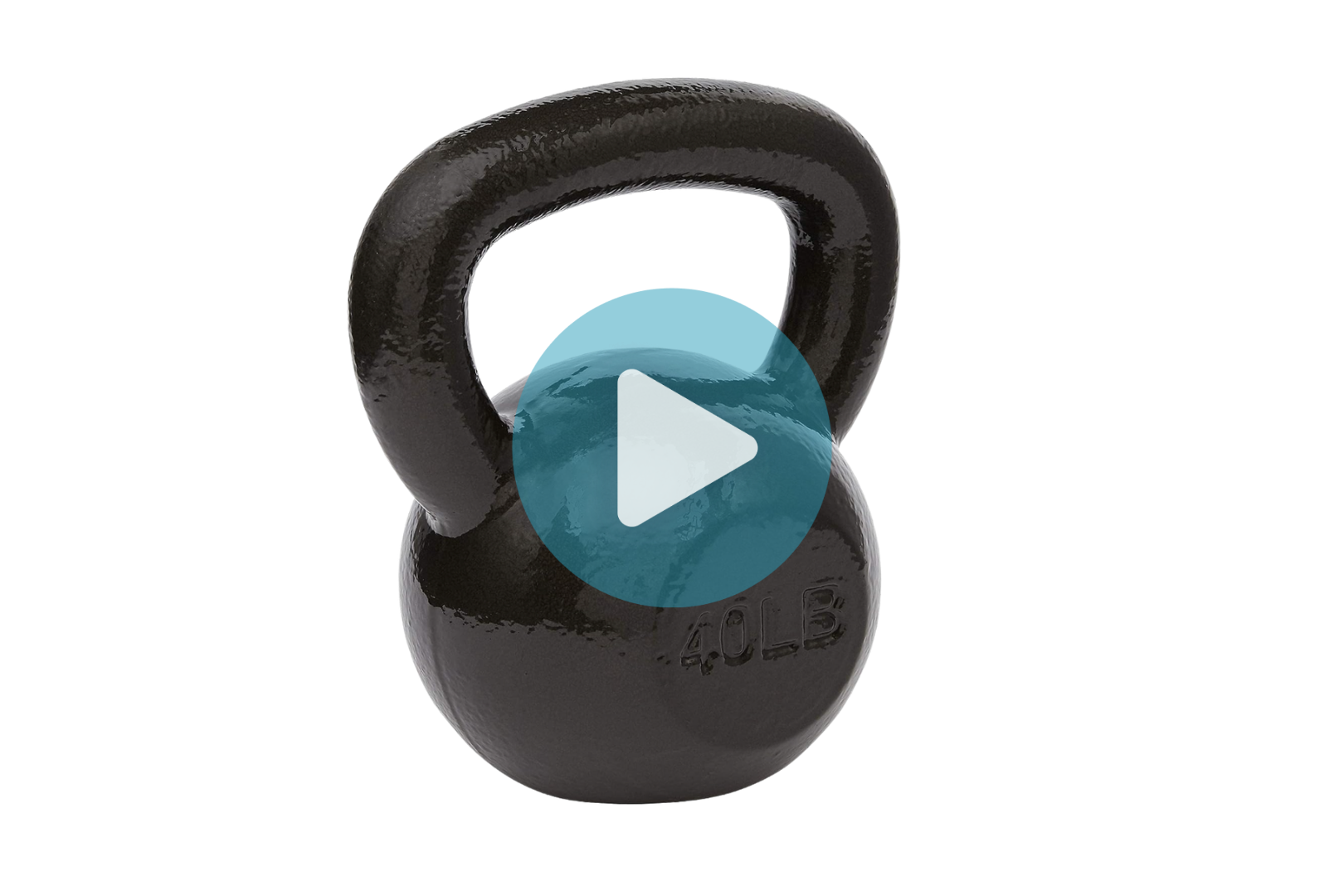
We recommend the 40 lb kettlebell for further progression once you can maintain proper form and control with lighter resistance. Many clients at this level return to the gym, but this option allows you to continue progressing your strength conditioning at home. We DO NOT recommend stackable kettlebells.
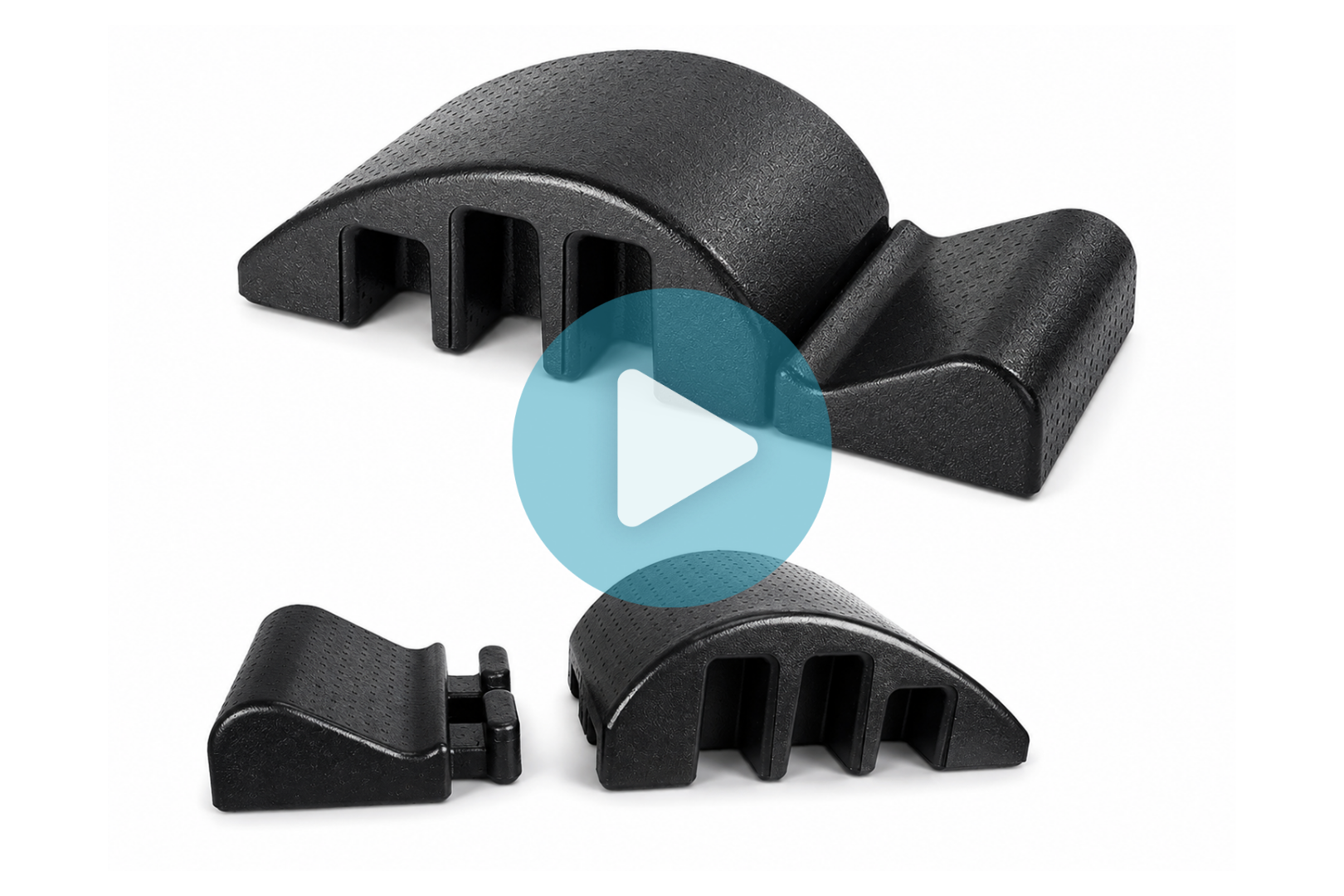
The spine corrector is a very powerful injury prevention fitness tool. When you don't have time to do your "Start Your Day" routine you can mobilize your spine in all planes of motion in a few minutes with the spine corrector.
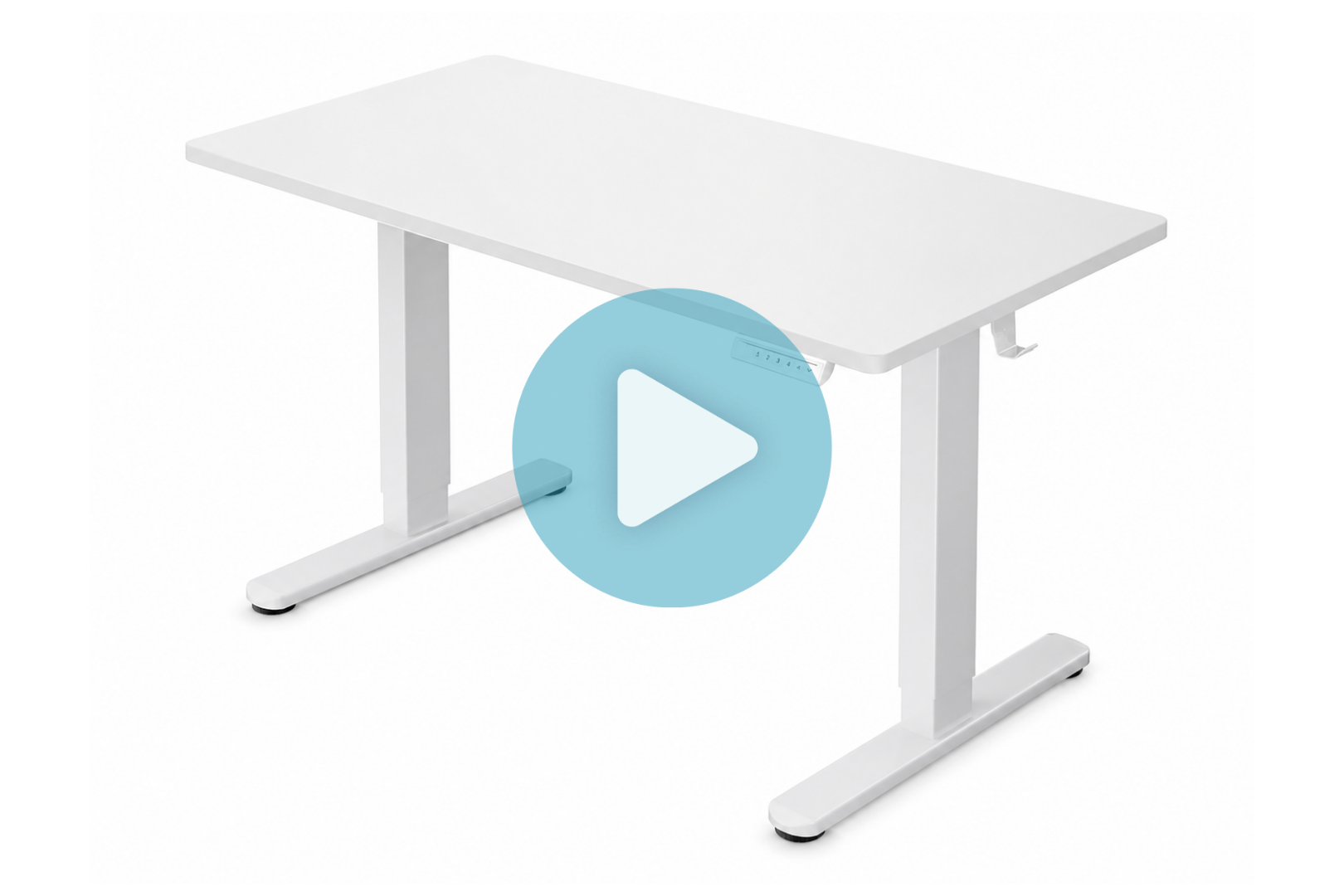
Not everyone should migrate to a standing desk solution. But everyone should condition themselves to at least sit/stand at a workstation. Sitting is unhealthy, even when you apply all the "Healthy Sitting" strategies. Migrating to a standing desk or sit/stand solution on a stool requires raising the monitor to adjust for ideal hip angle and "stacked upper back" posture.
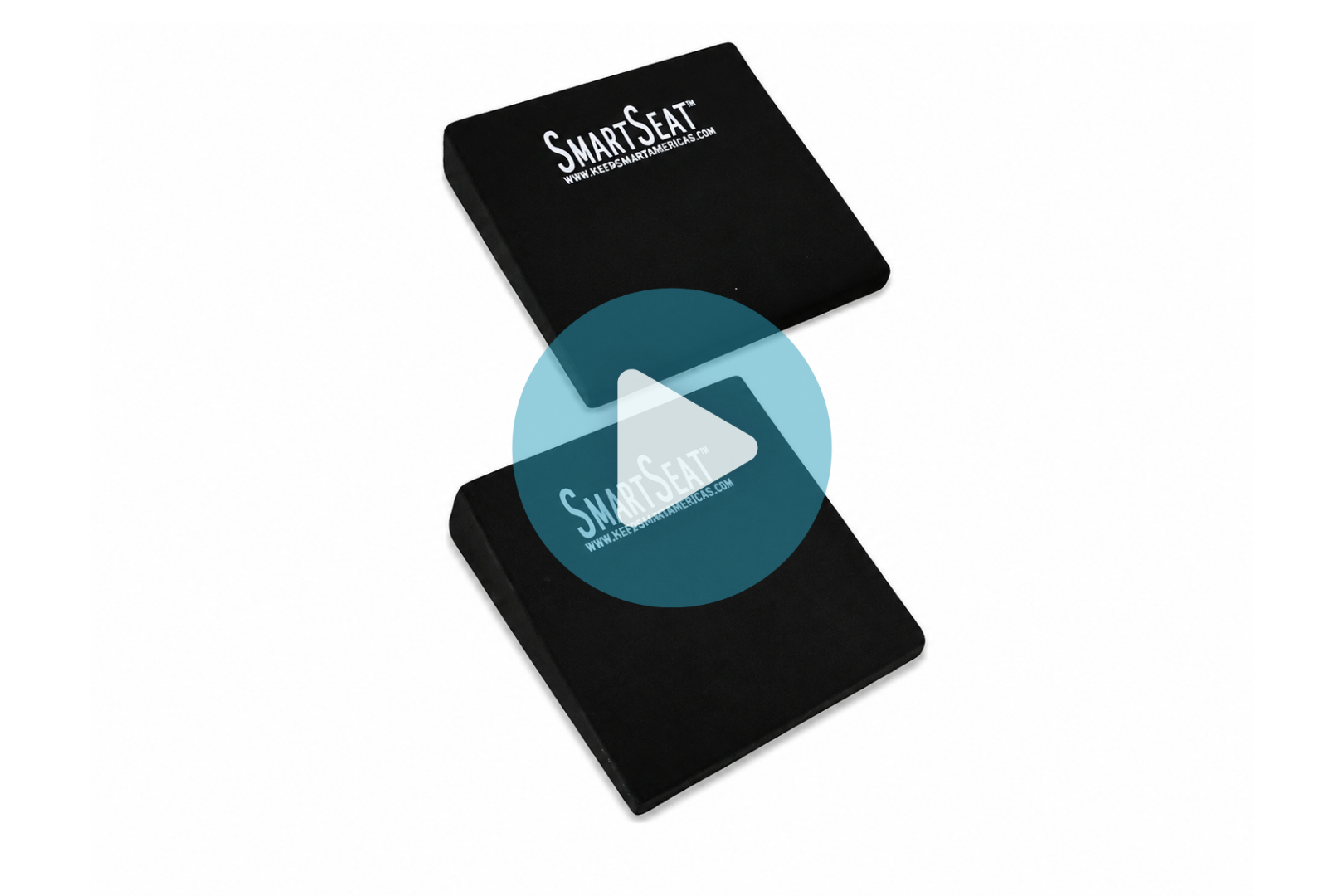
We recommend a smart wedge when clients are still presenting with misalignments in the lumbar spine at the fitness level of conditioning and we identify that it is related to asymmetrical sitting posture. We would recommend a smart wedge under the pelvis they bias toward to limit how much they shift their weight to the pelvis. This is only temporary (1-2 months).


7.5 lb. or 10 lb. Kettlebell

12lb. or 15 lb. kettlebell

Chair Wedge
Body Pillow

Standing Stool

Adjustable Desk